
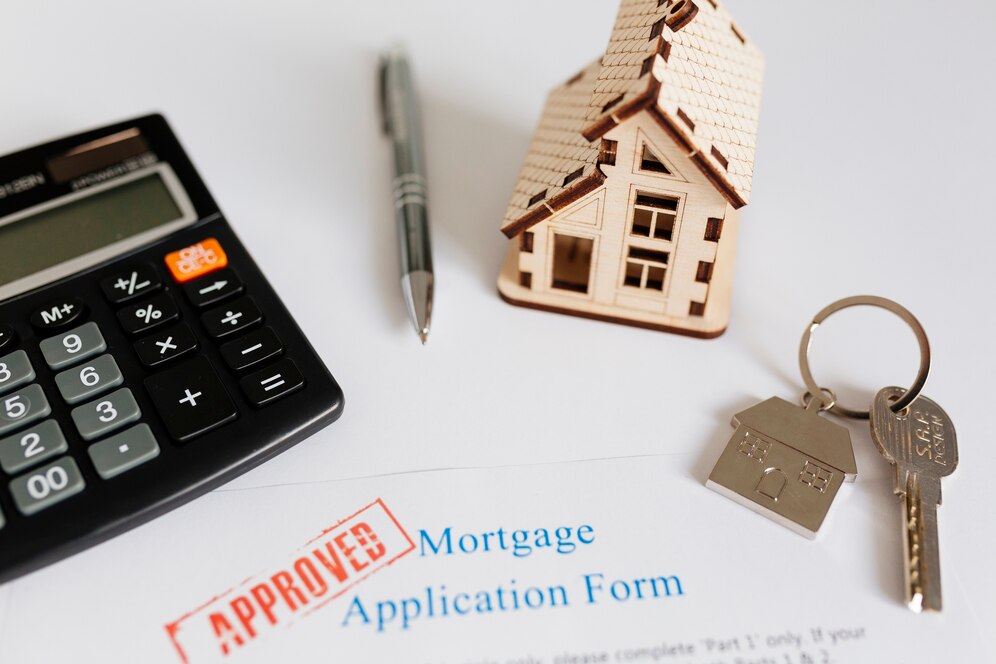
Are you preparing to navigate the complex world of mortgage audits in 2024? Whether you’re a seasoned homeowner or a first-time buyer, understanding how to prepare for a mortgage audit is crucial. Let’s dive into the essential steps and tips to ensure your financial records are in top shape and ready for scrutiny.
What is a Mortgage Audit?
A mortgage audit is a detailed examination of your loan and financial records to ensure accuracy and compliance with lending regulations. It involves reviewing documents like loan agreements, payment histories, and escrow statements to verify the information provided by both the borrower and the lender. Essentially, it’s like a financial check-up for your home loan.
During a mortgage audit, auditors assess whether all payments have been made on time, if there are any discrepancies in the account balances, or if there are errors in interest calculations. The goal is to identify any potential issues or mistakes that could impact your mortgage terms or payments.
By conducting a thorough mortgage audit, you can proactively address any inaccuracies or inconsistencies in your loan documentation before they escalate into larger problems down the road. This process helps ensure transparency and accountability between borrowers and lenders in maintaining accurate financial records associated with homeownership.
Why Do You Need a Mortgage Audit?
Are you a homeowner looking to ensure the accuracy of your mortgage information? A mortgage audit could be just what you need. By conducting a thorough review of your loan documents and payment history, you can uncover any potential errors or discrepancies that may exist.
Mortgage audits are essential for detecting any instances of overcharging, improper fees, or miscalculations by lenders. They provide homeowners with peace of mind knowing that their financial records are in order and that they are not being taken advantage of.
In today’s complex financial landscape, it is more important than ever to stay informed about your mortgage details. A mortgage audit can help you understand the terms of your loan better and identify any areas where adjustments may be needed to improve your overall financial health.
Don’t wait until a problem arises before considering a mortgage audit. Take proactive steps to protect yourself and your investment by ensuring that your mortgage information is accurate and up-to-date through regular audits.
The Importance of Proper Documentation
Proper documentation is the backbone of any mortgage audit. It serves as a record of your financial history and ensures transparency throughout the auditing process. Without accurate documentation, it can be challenging to prove your financial standing or address any discrepancies that may arise.
Having all your documents organized and up-to-date is crucial when preparing for a mortgage audit. This includes bank statements, tax returns, pay stubs, and any other relevant paperwork related to your mortgage agreement. By maintaining thorough records, you demonstrate responsibility and preparedness to auditors.
Inaccurate or missing documentation can lead to delays in the audit process or even potential penalties if discrepancies are not resolved promptly. Therefore, taking the time to gather and review all necessary documents before an audit is essential in ensuring a smooth and successful outcome.
Remember, proper documentation not only simplifies the audit process but also showcases your commitment to compliance and honesty in managing your finances.
Steps to Prepare for a Mortgage Audit
When it comes to preparing for a mortgage audit, being organized is key. Start by gathering all your financial documents, including tax returns, bank statements, and loan agreements. Make sure everything is up-to-date and accurate.
Next, review each document carefully to ensure there are no discrepancies or missing information. It’s important to have a clear understanding of your financial situation before the audit begins.
Create a timeline outlining when each document was obtained and any relevant events that may impact your mortgage. This will help you stay on track and be prepared for any questions that may arise during the audit.
Consider seeking professional assistance from a financial advisor or accountant to guide you through the process and provide expert advice on how to best prepare for the audit.
Remain proactive throughout the process by staying informed about any updates or changes in regulations that may affect your mortgage status. By taking these steps proactively, you can navigate the mortgage audit with confidence and ease.
Common Mistakes to Avoid During a Mortgage Audit
When preparing for a mortgage audit, it’s crucial to avoid common mistakes that could potentially jeopardize the process. One of the key errors to steer clear of is providing inaccurate or incomplete documentation. Make sure all your financial records are up-to-date and organized for easy access during the audit.
Another mistake to avoid is neglecting to review your credit report beforehand. Ensure there are no errors or discrepancies that could raise red flags during the audit. Additionally, failing to communicate effectively with your mortgage lender can lead to misunderstandings or delays in the audit process.
It’s also important not to underestimate the significance of transparency throughout the audit. Be honest and forthcoming with all information requested by auditors to avoid any complications down the line. Overlooking deadlines or rushing through paperwork can result in oversights that may impact the outcome of your audit.
Benefits of Conducting a Mortgage Audit
When it comes to conducting a mortgage audit, the benefits go beyond just compliance. One of the key advantages is gaining a clear understanding of your financial standing and ensuring that your mortgage payments are accurate. By reviewing your loan documents and payment history, you can uncover any errors or discrepancies that may have gone unnoticed.
Moreover, conducting a mortgage audit can help identify potential opportunities for cost savings or refinancing options. This can lead to significant long-term savings on interest payments and overall loan costs. Additionally, by staying proactive with your finances through regular audits, you demonstrate financial responsibility to lenders which could potentially improve your creditworthiness.
Furthermore, a thorough mortgage audit can provide peace of mind knowing that your mortgage is being managed effectively and in accordance with all regulations. It gives you the confidence that you are in control of your financial future and are taking necessary steps to protect one of your most significant investments -your home.
Conclusion
Preparing for a mortgage audit in 2024 is crucial for ensuring that your financial records are accurate and up-to-date. By understanding what a mortgage audit entails, the importance of proper documentation, and the steps to take to prepare effectively, you can navigate the process with confidence.
Remember, conducting a mortgage audit not only helps you identify any discrepancies or errors but also allows you to maintain compliance with regulations and protect your financial stability in the long run. So, stay organized, be thorough in your preparation, and avoid common mistakes to make sure that your mortgage audit goes smoothly. With proper planning and attention to detail, you can set yourself up for success when facing a mortgage audit in 2024.